Music as Vibration
Music is not merely an auditory art; it is a form of vibration that permeates our body and mind, influencing our internal energy. According to scientific research, such as studies published in PMC and Acoustical Surfaces, sound translates into vibrations that can affect us physiologically, neurologically, and biochemically. Nikola Tesla described the brain as a receiver of information, and music acts as a transmitter that tunes our vibrational frequency. Low frequencies (up to 250 Hz) can induce physical responses, such as an increased heart rate or synchronization of brain waves, while certain melodies release dopamine and endorphins, enhancing mood and well-being.
However, not all music elevates our vibration. Genres with repetitive, depressing, or shallow lyrics can negatively program the mind, creating limiting thought patterns. In contrast, uplifting and harmonic music can inspire, uplift, and elevate our consciousness. In this article, we explore these effects, with a focus on reggaeton based on expert opinions, and guide you on transitioning to high-vibration music, such as that of ODESZA and similar artists.
The Effects of Music on Bodily Vibration
Music reaches the body as sound waves that vibrate the eardrum and, through the cochlea, activate thousands of hair cells that convert these vibrations into electrical signals for the brain. Studies from Harvard and WebMD indicate that this can influence the nervous system, releasing hormones associated with well-being or stress, depending on the type of sound.
- Positive Effects: Harmonic and rhythmic melodies can decrease anxiety and depression while strengthening the immune system. For example, vibroacoustic studies with 40 Hz frequencies have shown positive changes in patients with Parkinson’s and Alzheimer’s, according to research by Lauren K. King and Lee Bartel. Uplifting music synchronizes brain waves, promoting mental clarity and empathy.
- Negative Effects: Music with repetitive rhythms and depressing lyrics can generate “mental noise,” akin to static on a radio, disrupting inner connection. The constant repetition of negative or empty phrases programs the subconscious, fostering low-vibration patterns like insecurity or apathy.
In summary, music acts as a calibrator of our frequency: it either elevates or lowers our energy depending on its content and structure.
Depressing and Meaningless Music: The Case of Reggaeton
Much of today’s popular music, particularly that with repetitive rhythms and superficial lyrics, can act as “noise” that programs the mind. The repetition of a song—like a catchy chorus—can anchor negative ideas in the subconscious, similar to how positive affirmations reprogram habits (according to Dr. Joe Dispenza). Genres with themes of sadness, emptiness, or excessive ego can lower vibration, inducing states of emotional disconnection.
Reggaeton, a genre originating in Panama and popularized in Puerto Rico in the 1990s, is a controversial example. Its repetitive rhythms (like the “dembow”) and often explicit lyrics make it ideal for parties, but it has sparked divided opinions:
- Positive Opinions: A study in Neuroscience (by scientists from the Canary Islands and Finland) found that reggaeton activates more brain regions related to movement and motor processing than classical, electronic, or folk music. It can evoke excitement, storytelling, and a sense of community, connecting with primal emotions. Some view it as authentic, witty, and a “musical sport” that encourages dance and release.
- Negative Opinions: Critics, such as those in articles from EL PAÍS and Medium, accuse reggaeton of promoting sexism, machismo, and gender stereotypes, objectifying women and perpetuating traditional roles. Explicit and violent lyrics (influenced by narcoculture) can shape the behavior of children and adolescents, reinforcing negative values. On Reddit and in general opinions, it is described as “musical trash”: simplistic, lacking depth, with autotune and repetitive rhythms that offer little beyond dance. It has faced classist and generational prejudices, and in Puerto Rico, even government campaigns against its sexual “slackness.”
While not all reggaeton is “bad”—artists like Bad Bunny have evolved toward more responsible messages—its constant repetition can program the mind toward superficiality, lowering vibration if consumed excessively.
High-Vibration Music: Elevating the Soul
High-vibration music resonates with frequencies that promote peace, joy, clarity, and spiritual connection. This type of music uses harmonic structures, fluid rhythms, and, when lyrics are included, messages that inspire growth, self-love, or deep reflection. According to the Positive and Negative Emotion Scale (SPANE), elevated emotions like authenticity and gratitude are linked to high frequencies, and music can act as a catalyst to reach these states.
Characteristics of High-Vibration Music
- Harmony and Balance: Sounds that combine soft melodies with rhythmic progressions create a sense of fluidity and calm. Frequencies like 432 Hz or 528 Hz, often associated with relaxation, are used in genres like ambient or chillout to induce deep calm.
- Positive Intention: Music created with a conscious intent to uplift or inspire, whether instrumental or with lyrics, resonates with emotions of hope and empowerment. This can include orchestral pieces, melodic electronica, or spiritual chants.
- Emotional Connection: High-vibration music evokes feelings of euphoria, peace, or introspection, releasing stagnant energy and fostering presence. For example, melodies with gentle crescendos or rhythms mimicking a heartbeat can synchronize brain waves.
- Absence of Mental Noise: Unlike songs with excessive repetition or empty themes, this music avoids mental static, allowing clarity and a meditative state.
Benefits of High-Vibration Music
- Emotional Alignment: Studies in Music Perspectives indicate that harmonic music elevates mood by stimulating endorphin release.
- Energetic Alignment: By tuning into high frequencies, the body, and mind align, promoting a state of flow and creativity.
- Spiritual Connection: High-vibration music facilitates meditation and introspection, fostering a sense of purpose or transcendence.
- Mental Reprogramming: Positive lyrics or sounds reinforce beliefs in abundance and self-worth, counteracting negative patterns, based on Dr. Joe Dispenza’s neuroplasticity principles.
This music serves as a bridge to a higher version of yourself, elevating your frequency and transforming your daily experience.
Steps to Learn to Listen to High-Vibration Music
Transitioning from repetitive to uplifting music requires awareness and practice. Follow these steps, based on principles of neuroplasticity and holistic well-being:
- Evaluate Your Current Playlist: Listen consciously. Ask yourself: Does this song uplift me or leave me empty? Identify repetitive or negative patterns. Gradually phase out genres like reggaeton if they feel draining.
- Research and Discover: Use platforms like Spotify or YouTube for “uplifting electronic music” playlists. Explore artists like ODESZA and similar acts. Read reviews on sites like Last.fm to understand their vibrations.
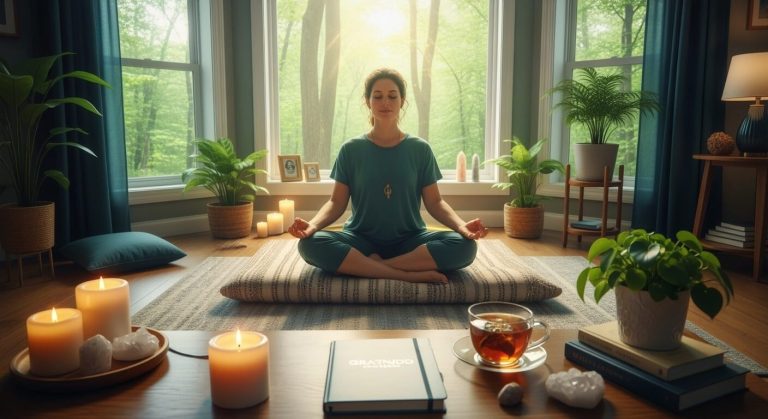
- Create a Positive Environment: Dedicate daily time (15-30 minutes) to listening in a calm space. Combine with meditation or movement to amplify effects.
- Practice Mindfulness: Focus on how the music affects your body: Do you feel warmth or clarity? Use binaural beats or frequencies like 432 Hz to tune in.
- Incorporate Affirmations: While listening, repeat positive phrases. This reprograms the mind, countering negative programming.
With consistency (21 days to form habits, according to Dr. Joe Dispenza), you’ll notice greater clarity and positivity.
Choose Vibrations That Elevate You
Music is a vibrational portal: it can program negativity or elevate your essence. Avoid depressing or repetitive genres like certain reggaeton, and embrace uplifting music and similar genres for a more harmonious life. Tune into the high frequencies and transform your energy!